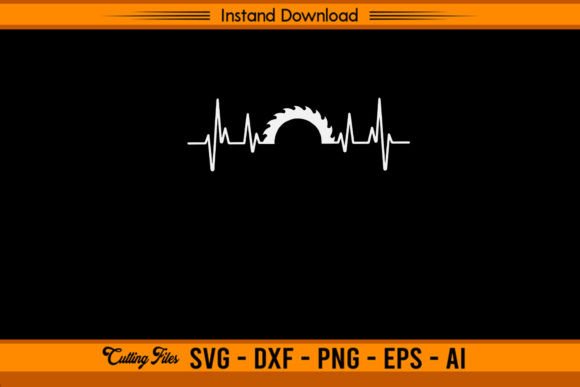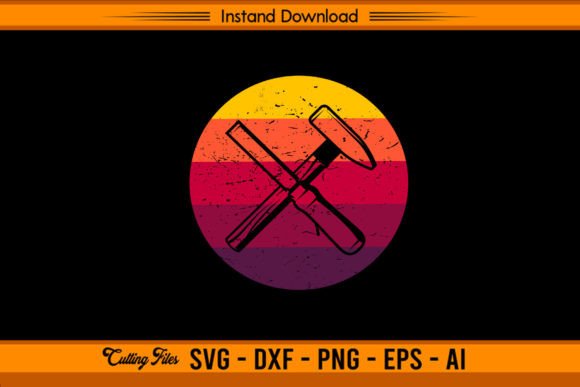
Carpenter Vintage Retro Graphics for T-Shirt Designs
First Impressions: Authentic Texture Meets Modern Utility
When evaluating a new graphic design asset for a client project, my first criterion is always authenticity. In the current landscape of handmade business branding and print-on-demand merchandise, consumers have developed a keen eye for generic, mass-produced aesthetics. Upon reviewing the Carpenter Vintage Retro collection, the immediate standout quality is its genuine adherence to mid-century trade aesthetics without feeling like a cheap caricature. The visual weight suggests a history of craftsmanship, making it an ideal candidate for clients in the woodworking, restoration, artisanal coffee, or heritage apparel sectors.
For a recent concept I developed for a boutique furniture restorer launching an Etsy shop, this specific style bridged the gap between rugged durability and refined nostalgia. It does not scream "costume"; instead, it whispers "quality." As a professional designer, I look for assets that carry emotional resonance while maintaining technical versatility. This collection strikes that balance, offering a mood that feels established and trustworthy right out of the box. It avoids the overly distressed grunge that often plagues retro assets, retaining enough clean lines to function in modern design contexts where readability is paramount.
Performance Across Merchandise and Brand Identity Systems
A versatile digital product must perform across multiple touchpoints. In my workflow, I tested Carpenter Vintage Retro specifically for t-shirt design applications and broader brand identity systems. For apparel, the composition holds up exceptionally well on dark cotton substrates. The negative space is managed intelligently, which is critical when working with Cricut project files or screen printing setups. Unlike many complex illustrations that turn into muddy blobs when scaled down for a chest print, this asset retains its structural integrity.
Beyond apparel, I found significant utility in packaging design and product labels. When designing hang tags for leather goods or stamped logos for wooden crates, the vintage typography and illustrative elements provided instant context. It functions beautifully as a secondary mark or a decorative border element in editorial design for lookbooks. For content creators and marketers, these graphics translate seamlessly into social media graphics. I successfully adapted elements from the set for Instagram carousel headers and Pinterest pins, where the retro aesthetic drives high engagement rates among niche hobbyist communities. The asset serves as a strong anchor for marketing visuals, providing a cohesive thread between physical products and digital presence.
Optimal Placement: Where the Asset Shines Brightest
Understanding where to deploy a creative design element is just as important as the element itself. Carpenter Vintage Retro excels in large layout areas where its intricate details can be appreciated. It is perfect for hero graphics on landing pages, full-back prints on hoodies, and prominent signage for pop-up markets or trade shows. In web design, it works best as a focal point rather than background noise. For sticker design and die-cut decals, the bold outlines ensure the design remains legible even at smaller diameters, provided the internal details are not too dense.
This asset is also a powerhouse for sublimation design on hard substrates like enamel mugs and tote bags. The color palette inherent in the retro style complements natural materials and uncoated papers, enhancing the tactile experience of the final product. When used in Canva template creation for small business owners, it provides a plug-and-play solution that elevates amateur layouts to a professional standard without requiring advanced vector manipulation skills.
Design Constraints: Navigating Hierarchy and Contrast
No design bundle is without limitations, and professional judgment requires acknowledging them. Carpenter Vintage Retro should be used with caution in minimalist branding projects or corporate environments that demand sterile precision. The inherent texture and stylistic flourishes can clash with ultra-modern sans-serif identities if not balanced correctly. Furthermore, avoid placing this asset against busy photographic backgrounds or complex patterns; it needs breathing room to maintain visual hierarchy.
Readability can become an issue at very small sizes, such as on business cards or website favicons. The vintage distressing effects, while aesthetically pleasing at scale, may cause fine lines to disappear or fill in during printing. Designers must also be mindful of contrast ratios. While the retro colors are evocative, they sometimes lack sufficient luminance difference for accessibility compliance in digital ads or web text overlays. Always prioritize legibility over style when the asset carries functional information.
Technical Validation and Pre-Press Checklist
Before committing any SVG design or PNG design to a paid client project, rigorous technical validation is non-negotiable. My review process for Carpenter Vintage Retro included several stress tests that every designer should replicate. First, verify the commercial license. Just because a file is downloadable does not mean it is cleared for commercial design use in merchandise for sale. Confirm the terms explicitly cover your intended application, whether that is physical goods, digital templates, or client work.
- Vector Integrity: Open the SVG in Illustrator or Inkscape to ensure paths are closed and layers are organized. Check for stray anchor points that could cause cutting errors in Cricut or Silhouette machines.
- Raster Quality: Inspect the PNG transparency. Ensure edges are clean without jagged pixels or white halos, which are common issues in lower-quality clipart.
- Monochrome Test: Convert the design to pure black and white. If the illustration relies entirely on color to define form, it will fail in single-color vinyl applications or embroidery.
- Typography Pairing: Test the asset alongside various font styles. It pairs naturally with slab serifs and hand-lettered scripts but may fight against geometric sans-serifs. Ensure the supporting type reinforces, rather than competes with, the vintage mood.
- Print Simulation: Never trust screen colors. Print a test swatch on the actual substrate. Retro colors often shift significantly on kraft paper versus white cotton.
Strategic Value for Creative Marketplaces and Small Business
For sellers on platforms like Etsy or Creative Market, or for designers servicing local artisans, Carpenter Vintage Retro represents more than just a pretty picture; it is a strategic tool for differentiation. In a saturated market, small business branding often struggles to convey legitimacy. This asset lends an air of heritage and established quality that typically takes years to build organically. It signals to the customer that the brand respects tradition and craftsmanship.
However, the true value lies in customization. Do not use the asset exactly as downloaded. Modify colors to match the specific brand identity, combine elements to create unique compositions, or integrate it with custom photography. This prevents the "template look" that savvy consumers recognize instantly. When used thoughtfully within a broader creative marketplace strategy, this graphic asset supports higher perceived value, allowing businesses to command premium pricing for their Etsy product listings or service packages.
Final Verdict: A Reliable Workhorse for Heritage Projects
After thorough evaluation, Carpenter Vintage Retro proves to be a robust addition to the professional designer’s toolkit. It successfully navigates the difficult line between nostalgic appeal and commercial viability. The availability of Carpenter Vintage Retro SVG PNG Cutting Print Ready Files, that allow to print instantly with any cutting machine such as cricut or silhouette, makes it particularly valuable for makers who need production-ready assets without extensive cleanup. The fact that the files are available immediately for download after purchase further streamlines the workflow for tight deadlines.
While it requires careful handling regarding scale and contrast, its strengths in apparel, packaging, and digital storytelling make it a worthy investment. For designers tasked with building authentic connections between handmade brands and their audiences, this asset delivers both aesthetic charm and practical functionality. It is not merely a decoration; it is a foundational element for building visual trust and recognition in the competitive world of artisanal commerce. Use it with intention, respect its technical boundaries, and it will serve as a cornerstone for compelling, profitable design work.