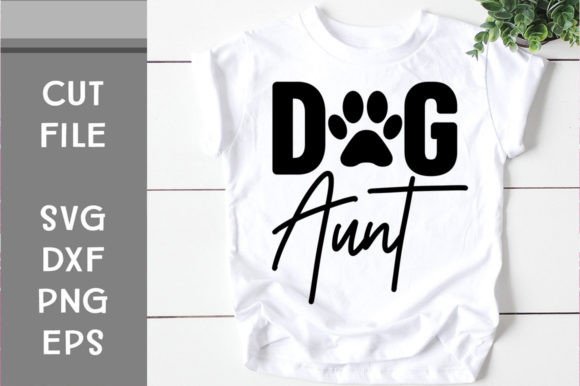
Dog Aunt SVG Cut File: An Embroidery Designer’s Review
As a professional embroidery designer and product reviewer, I approach every new digital asset with a critical eye toward stitchability and marketability. When evaluating the Dog Aunt SVG Cut File, my primary focus is not just on how the graphic looks on a screen, but how it translates into thread on fabric. For crafters, Etsy sellers, and apparel decorators, this distinction determines whether a design becomes a best-selling personalized gift or a frustrating production failure. This review breaks down the practical application of this file for real-world embroidery projects, moving beyond basic descriptions to offer actionable insight for makers and small business owners.
First Impressions and Design Personality
Upon opening the zip file containing the EPS, SVG, PNG, and DXF formats, the immediate impression of the Dog Aunt SVG Cut File is one of niche specificity. In the crowded Crafts and Graphics marketplace, hyper-targeted designs often outperform generic ones because they speak directly to a passionate demographic. The visual personality here suggests warmth, humor, and familial pride. As a designer, I see this layout as naturally suited for casual, comfortable items rather than formal wear. The typography and iconography likely balance readability with decorative flair, which is essential when converting vector art into a machine embroidery design.
For a handmade product creator, this mood dictates material selection. This is not a design for stiff, structured corporate polos; it belongs on soft, lived-in textiles. The aesthetic implies a cozy, approachable vibe that resonates with customers looking for custom apparel or holiday embroidery gifts. When planning your product line, consider that the emotional connection of being a "Dog Aunt" drives the sale, so the execution must feel personal and high-quality to maintain customer trust.
Real-World Application: Stitching the Sweatshirt Test
To truly evaluate this asset, I mentally simulated a common client request: a custom embroidered sweatshirt for a boutique product listing. Sweatshirts are a staple for Etsy sellers, but their fleece backing and stretchy knit structure present specific challenges. Using the Dog Aunt SVG Cut File for this purpose requires careful digitizing considerations.
If you are creating an applique design from this file, the SVG format provides clean lines for cutting fabric pieces, while the EPS serves as a reliable reference for manual digitizing. On a sweatshirt, I would recommend using a satin stitch border to secure the applique fabric, preventing fraying after repeated washing. However, if the design contains intricate internal details, a running stitch might be more appropriate to reduce bulk. High stitch density on fleece can cause puckering, so testing on scrap fabric with the correct stabilizer is non-negotiable. A tear-away stabilizer combined with a water-soluble topping usually yields the best results for this type of custom apparel, ensuring the stitches sit on top of the fabric nap rather than sinking in.
For those producing tote bag designs or kitchen towels, the cotton canvas or linen texture offers a more stable base. Here, the Dog Aunt SVG Cut File can be executed with greater detail. The tighter weave allows for finer lettering and sharper corners, making it ideal for a crisp, professional finish. This versatility makes the file a valuable addition to a commercial embroidery library, provided you adjust your technique based on the substrate.
Navigating Fabric Limitations and Hoop Constraints
Not every fabric is a suitable canvas for this specific theme. As an experienced reviewer, I must highlight where caution is required. If you intend to use this design on baby embroidery items like onesies or bibs, scale is everything. Reducing a complex graphic to fit a 4x4 hoop size often results in tiny lettering that turns into thread mush. Always check the minimum text height before stitching; if the font strokes are thinner than 1mm at the reduced size, simplify the design or choose a larger garment.
Stretchy fabrics like ribbed knits or performance wear also demand attention. Without adequate stabilization, the Dog Aunt SVG Cut File could distort during stitching, resulting in a warped finished product. For curved surfaces like caps, verify that the design aspect ratio fits within the cap frame’s limitations. A wide, horizontal layout may need to be re-digitized or stacked vertically to avoid hitting the seams or brim. Additionally, dark fabrics require contrast testing. Before committing to a production run of black t-shirts, create a printable mockup or a physical test stitch to ensure the thread colors pop against the background. Visual appeal directly correlates to perceived value, and poor contrast kills sales.
Commercial Viability for Makers and Sellers
For creative entrepreneurs and small shop owners, time is money. The inclusion of multiple file formats (EPS, SVG, PNG, DXF) in the Dog Aunt SVG Cut File package streamlines workflow across different platforms. The PNG is excellent for creating digital product previews and printable mockups for your online store, allowing customers to visualize the final item without you having to stitch a sample first. Meanwhile, the vector files serve as the foundation for creating proprietary digital embroidery files tailored to your specific machine brand.
However, professionalism extends beyond file compatibility. It encompasses licensing and presentation. Before listing any finished product derived from this design, confirm the commercial usage rights. Customers engage with brands that respect intellectual property. Furthermore, consistent branding matters. If your shop specializes in minimalist line art, ensure this design aligns with that aesthetic. Mixing incompatible styles can confuse buyers and dilute your brand identity. When used correctly, this design asset can enhance recognition and buyer engagement by tapping into the lucrative pet-lover niche.
Critical Notes for Embroidery Success
Based on my evaluation of similar assets in the Crafts category, here are practical notes for using the Dog Aunt SVG Cut File effectively:
- Test Before Selling: Never sell a personalized gift or custom apparel item without a physical test stitch. Screen resolution does not equal stitch clarity.
- Stabilizer Selection: Match your stabilizer to the fabric weight. Use cut-away for stretchy sweatshirts and tear-away for stable woven fabrics to prevent distortion.
- Thread Color Contrast: Evaluate thread choices against both light and dark fabric backgrounds. What works on white cotton may disappear on navy fleece.
- Detail Inspection: Zoom in on the vector file to identify potential problem areas like overlapping lines or extremely thin segments that may not digitize well.
- Hoop Size Verification: Confirm the design dimensions fit your intended hoop size before purchasing or digitizing. Resizing can alter stitch density and compromise integrity.
- Licensing Check: Verify whether the license permits selling finished physical products, digital embroidery files, or both. Protect your craft business by staying compliant.
- Mockup Accuracy: Use the included PNG for realistic mockups, but add a disclaimer that actual stitch texture may vary. Managing expectations builds long-term customer trust.
Final Thoughts on Production Value
The Dog Aunt SVG Cut File represents a strong opportunity for makers targeting the pet enthusiast market, provided it is treated as a starting point rather than a final solution. Its success in embroidery depends entirely on the user's willingness to adapt the graphic to the physical realities of needle and thread. By respecting fabric limitations, optimizing stitch types, and maintaining rigorous quality control, this design can become a profitable asset for apparel decorators and hobbyists alike. Remember, in the world of handmade products, the difference between a mediocre item and a premium offering lies in these technical details. Approach this file with professional diligence, and it will serve your creative business well.