Beach Therapy SVG: A Designer’s Stitch Test
When I first opened the Beach Therapy SVG file, I wasn't just looking for a cute graphic; I was evaluating it as a potential workhorse for my upcoming summer collection. As an experienced embroidery designer and product reviewer, I know that what looks clean on a screen doesn't always translate to a flawless stitch-out on fabric. This design immediately struck me as having the right balance of whimsy and structure, but like any digital asset intended for physical production, it requires a critical eye before it touches a needle.
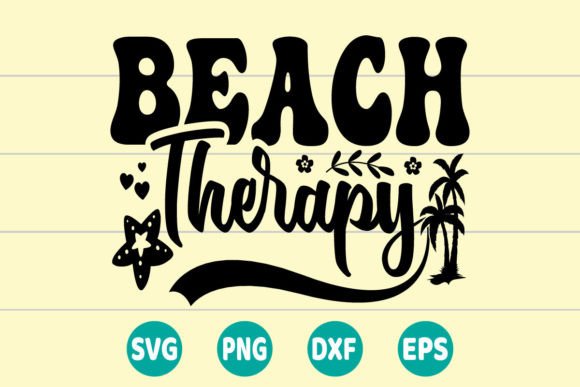
The visual personality of this design leans into a relaxed, coastal aesthetic without feeling cluttered. For those of us in the Crafts category, specifically creating apparel and home decor, the layout suggests it will serve as a strong focal point rather than a background element. The lines appear confident, which is crucial when converting vector graphics into a machine embroidery design. However, the true test lies in how these digital paths interact with thread tension, fabric grain, and stabilizer choices in a real-world studio environment.
Evaluating the Design for Real-World Application
My primary test case for the Beach Therapy SVG was a custom embroidered tote bag intended for a boutique client. Tote bags are notoriously tricky because canvas can be unforgiving if a design is too dense, yet they require enough coverage to look substantial. I approached this project thinking about the end user: someone carrying groceries or beach essentials who needs the artwork to withstand friction and occasional spot cleaning.
In this scenario, the design performed admirably as a centerpiece. Because the product description highlights versatility across cards, pillows, mugs, and stickers, I paid special attention to scalability. For the tote bag, I utilized a larger hoop size to maximize impact. The shapes held their integrity when scaled up, which tells me the underlying geometry is sound. If you are planning sweatshirt embroidery or custom apparel, this scalability is a massive asset. Sweatshirts often have a fleece backing and a knit face that can swallow fine details, so having a design with bold, readable elements is essential for customer satisfaction.
I also considered how this would function as a baby embroidery motif. When downsizing for onesies or bibs, the risk of losing detail increases. While the Beach Therapy SVG is versatile, I would advise caution when shrinking it below 3x3 inches. At smaller sizes, ensure that any internal details don't merge into a solid blob of thread. For nursery decor or holiday gifts, maintaining that airy, therapeutic vibe depends entirely on preserving negative space between stitch areas.
Fabric Considerations and Technical Limitations
Not every surface is friendly to this specific style of artwork. Based on my review, there are specific environments where you should proceed with care. The Beach Therapy SVG shines on stable, medium-weight fabrics like cotton twill, linen, or denim. However, if you are working with stretchy jersey knits or highly textured terry cloth, you must adjust your expectations and your stabilizer strategy.
- Stretchy Fabrics: If using this for t-shirts or lightweight summer tops, use a cut-away stabilizer and consider a water-soluble topping to prevent stitches from sinking into the weave. The design likely contains areas that could distort if the fabric shifts during stitching.
- Dark Fabrics: Check your thread color contrast immediately. Coastal themes often utilize pastels or whites. On navy or charcoal fabric, ensure the design has enough underlay or outline definition so it doesn't disappear. A test stitch on scrap dark fabric is non-negotiable here.
- Curved Surfaces: While the product mentions caps, hooping a cap for this design requires precise placement. If the design is wide rather than tall, it may not fit the curvature of a standard hat frame without distortion. Always simulate the curve in your software before committing to a cap project.
- High-Wash Items: For tea towels or aprons that face frequent laundering, verify the stitch density. If the design relies heavily on satin stitch borders, ensure they are anchored properly to prevent fraying over time. Running stitch outlines tend to age better on utilitarian handmade products.
Commercial Viability and Brand Consistency
For Etsy sellers and small shop owners, the value of a digital embroidery file extends beyond a single project. It’s about brand consistency and perceived value. The Beach Therapy SVG feels professional enough to anchor a seasonal product line. When customers browse your listings, they are looking for cohesion. This design has the visual weight to serve as a signature piece for a "Summer Collection" or "Coastal Living" series.
However, commercial embroidery demands reliability. Before listing finished products or selling the digital file itself (if licensed), you must confirm the licensing terms. The product description mentions use for creative projects and commercial assets, but always verify the specific rights regarding resale versus finished goods. Trust is currency in our industry; ensuring you are compliant protects your business reputation.
From a marketing perspective, this design translates beautifully to printable mockups. Because the lines are distinct, you can create realistic digital previews for your online store without needing to stitch out every color variation. This saves time and materials while still showcasing the potential of the Beach Therapy SVG to prospective buyers. Just remember that a mockup should accurately represent the texture of embroidery; avoid making it look like a flat vinyl print if you are selling stitched goods.
Essential Designer Notes for Success
To get the most out of this graphics asset, treat it as a starting point rather than a final command. Here are my practical recommendations for integrating this design into your workflow:
- Always Test Stitch: Never run this design directly on a final product without a test on similar scrap fabric. Check for registration issues, especially where different colors meet. Thread tension varies by machine, and what works on my multi-needle might need adjustment on your single-needle home machine.
- Analyze Stitch Types: Open the file in your editing software. Identify whether key elements are fill stitch, satin stitch, or running stitch. If you find large blocks of dense fill stitch, consider reducing the density slightly for lighter fabrics to prevent puckering. Conversely, if text is too thin, add a base layer to give it stability.
- Color Palette Strategy: While the design comes with suggested thread colors, adapt them to your brand. If your shop specializes in muted, boho tones, swap bright ocean blues for slate and sage. The Beach Therapy SVG is a template; your color choices make it a unique handmade product.
- Stabilizer Matching: Match your stabilizer to the fabric, not just the design. For the mentioned pillow covers and frame artwork, a medium-weight tear-away might suffice. For apparel, stick to cut-away. For sheer or delicate fabrics used in paper crafting or art prints, use organza or water-soluble mesh.
- Verify File Compatibility: Ensure the specific embroidery file format included in the download matches your machine. While SVG is excellent for cutting machines and digital viewing, confirm that the package includes .PES, .DST, .JEF, or other machine-specific formats required for stitching.
Final Thoughts on Creative Execution
The Beach Therapy SVG offers a promising foundation for makers and entrepreneurs. Its strength lies in its adaptability across various mediums, from personalized gifts to boutique merchandise. By approaching it with technical mindfulness—respecting fabric limitations, testing rigorously, and adapting colors to your niche—you transform a simple digital graphic into a high-value embroidered product. Remember, the quality of your finished item reflects not just the design file, but the craftsmanship you apply to it. Use this design as a tool to elevate your portfolio, but let your expertise guide the needle.